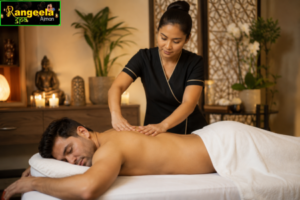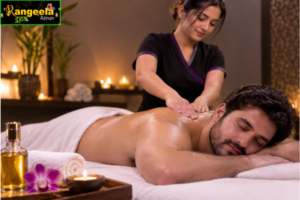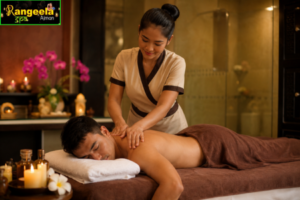
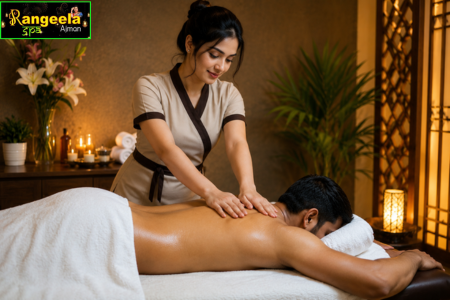
Paying more doesn’t always get you a better massage, even though it feels like it should. Booking an Ajman Massage, plenty of people end up spending extra just because they trust the price to reflect quality. Rangeela works differently, keeping the same standard for everyone without pushing the price up just to look premium. This guide walks through what really decides quality, so you can judge a massage on real factors instead of the number on the receipt.
Why Price Feels Like a Shortcut for Quality
That kind of thinking feels natural. Costs more, so it must be better, right? Some products work that way, but a massage doesn’t follow the same rule.
A higher price can come from real added value, like more experienced therapists or better facilities. But it can just as easily come from higher rent, unnecessary extras, or simply charging more because customers assume it means better quality.
Price alone doesn’t tell you which one you’re actually paying for.
What Actually Makes a Massage Good, Regardless of Cost
A handful of real factors decide whether a massage delivers good value, and none of them are directly tied to price.
- Therapist training – Whether the therapist is genuinely trained in the specific style you’re booking.
- Session length – Whether you’re getting the full time you’re paying for, without it being cut short.
- Room and hygiene standards – Whether the space is private, clean, and properly maintained.
- Pricing transparency – Whether the price you’re quoted is the price you actually pay, with nothing added afterward.
- Customization – Whether the therapist adjusts pressure and technique based on you, rather than running one fixed routine.
A center can charge a premium price and still fall short on several of these. Just as easily, a center with a lower, flat price can meet every one of them.
Where Higher Prices Sometimes Come From
It helps to understand why some places charge significantly more, since the reasons aren’t always about better service.
Location plays a role. A spa in a high-rent area often passes that cost onto customers, regardless of whether the massage itself is any different. Branding plays a role too. Some places charge more simply because they’ve built a premium image, not because the actual session is more effective.
Add-on pricing is another common one. A base price looks reasonable until extras get added at the end, for things like extended time, specific oils, or services that should have been included from the start. By the time you pay, the total is far higher than what you expected walking in.
None of this reflects the quality of the massage. It reflects how the pricing was structured.
Why a Flat, Lower Price Isn’t Automatically a Warning Sign
The opposite assumption can be just as misleading. A lower price doesn’t automatically mean lower quality either. It depends entirely on what’s actually included.
If a center charges a flat rate with a full session length, trained therapists, and no hidden extras, the lower number reflects simpler, more honest pricing, not a shortcut on service. The real question isn’t how much something costs. It’s whether you’re getting the same core experience as a place charging double, minus the added markup.
This is exactly the gap worth checking before assuming a cheap massage in ajman means a lower standard. Sometimes it just means a business that hasn’t built unnecessary cost into its pricing.
How to Actually Compare Two Options
Instead of comparing price tags directly, compare what each price actually includes. Ask about session length first, since a shorter session at a higher price is worse value than a full session at a lower one.
Ask whether the price quoted is final, or whether extras get added once you’re already in the room. Ask about the therapist’s background too, particularly if you’re booking a specific style. A well-trained therapist in a specific technique, like one offering a genuine Thai massage in ajman experience, matters far more to the outcome than the price difference between two spas.
This kind of comparison takes a few extra questions, but it tells you far more than the price alone ever could.
What This Looks Like Across Different Styles
The same logic applies across every massage style, not just one. A Pakistani spa in Ajman session priced high doesn’t guarantee firmer, more effective pressure than one priced lower, if both are handled by equally trained therapists.
The same goes for a traditional oil-based session. Booking an Indian spa in Ajman experience at a premium price only makes sense if that price reflects something genuinely different, like more experienced hands or a longer session, rather than just a higher number attached to the same service.
Style doesn’t set the price. What’s actually delivered within that style does.
What a “Premium” Interior Really Tells You
A fancy waiting area or expensive-looking decor says nothing about the actual massage. Interior design costs money, and that cost often gets passed straight into the price. But comfortable furniture and nice lighting don’t make a therapist more skilled or a session more effective.
Some places spend heavily on how the space looks, then cut corners on training or session length to cover that cost. A plain, simple space with a well-trained therapist can deliver a far better massage than a polished one with none of that behind it. Look past the interior, and focus on what actually happens once you’re on the table.
Why Reviews Say More Than the Price Does
Price tells you what you’ll pay. Reviews tell you what you’ll actually get. If you’re deciding between two options, real customer feedback usually reveals more about quality than the number on the price list ever will.
Look for specific details in reviews, not just star ratings. Mentions of hygiene, therapist skill, or how pressure was handled tell you far more than a generic five-star review with no explanation. Between the two, a cheaper option with real, detailed reviews usually wins out over an expensive one with shaky or uncertain feedback.
The Hidden Cost of Choosing Based on Price Alone
Picking the cheapest option without checking anything else can backfire. Some low-priced places cut corners on training, hygiene, or session length to keep costs down, and you only discover this once you’re already there.
This doesn’t mean cheap is bad. It means price alone isn’t enough information to decide with. A flat, low price backed by proper training and full session time is genuine value. A flat, low price with none of that behind it is simply a bad session waiting to happen. The real cost of choosing on price alone is ending up with neither savings nor quality.
Why Rangeela Keeps Pricing Simple
At Rangeela, every session is priced the same flat rate, regardless of which of the five styles you choose. There’s no premium tier and no inflated pricing tied to assumptions about what customers expect to pay.
This works because the core factors that actually matter, trained therapists matched to each style, a full 60-minute session, a private room cleaned after every use, and pressure adjusted to you, stay consistent no matter which massage you book. The price doesn’t change because none of these standards change either.
This is also why the same AED 99 rate has stayed in place for over three years. It was never built around inflating value through price. It reflects what the session actually includes, without extra charges layered on afterward.
A Quick Way to Judge Value Before You Book
Next time you’re comparing options, run through this short list instead of just looking at price:
- Is the full session time actually spent on the massage, with nothing shortened?
- Is the price quoted the price you’ll actually pay, with no extras added later?
- Is the therapist trained specifically in the style you’re booking?
- Is the room private and properly maintained?
- Does the therapist adjust pressure based on you, rather than following one fixed approach?
If a lower-priced option checks all five boxes, it’s likely offering the same real value as a place charging significantly more.
Final Thoughts
Price alone can’t tell you if a massage is good or bad. What matters is simple: trained therapists, honest pricing, real hygiene, and pressure that actually adjusts to you, no matter what number sits on the price tag.
Judge any Ajman Spa massage by what you actually get, not by assuming a higher price means a better session. Rangeela sticks to one flat price across every session, so nothing gets charged extra just because customers might expect it.